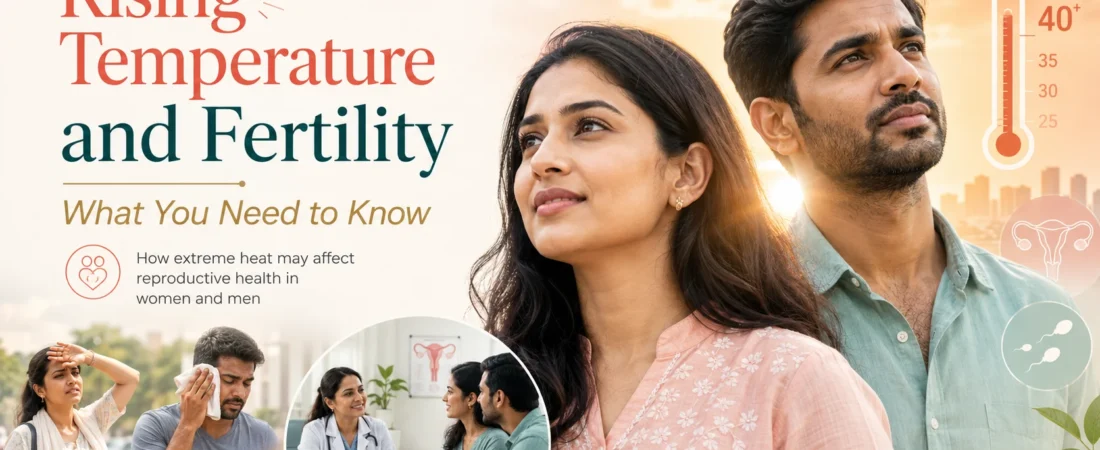
Rising temperature and fertility is a connection that is often overlooked. Yet climate change may be silently affecting your reproductive health in ways you never imagined.
Climate change is affecting lives in many ways. Rising temperatures are now impacting sexual health and fertility in both men and women. The situation is more serious than most people realise. This article explores why rising temperatures matter and what you can do about it.
How Rising Temperatures Affect Female Fertility
Extreme heat seriously affects female reproductive health. It can cause erratic periods and impaired eggs. It may also lead to complications during pregnancy. Research shows that high temperatures speed up ovarian ageing. They also reduce egg quality and quantity over time.
Women who are trying to conceive should be especially careful during peak summer months. Heat stress can disrupt hormonal balance. This makes ovulation irregular and unpredictable. Even short periods of extreme heat exposure can have lasting effects on reproductive health.
How Rising Temperatures Affect Male Fertility
Heat affects male fertility too. The testes need to stay cooler than body temperature to produce healthy sperm. Rising external temperatures make this difficult. Prolonged heat exposure can lower sperm count significantly. It can also reduce sperm motility and quality.
Studies suggest that heatwaves are linked to reduced male fertility rates. Men who work outdoors are at higher risk. Wearing tight clothing in hot weather can also raise scrotal temperature. This further impacts sperm production negatively.
What You Can Do to Protect Your Fertility
There are simple steps you can take. Stay hydrated throughout the day. Avoid prolonged exposure to extreme heat. Wear loose and breathable clothing. Eat a balanced diet rich in antioxidants. These help protect reproductive cells from heat damage.
If you are planning a pregnancy, consult a fertility specialist early. Regular health checkups are important. Discuss any concerns about heat exposure openly with your doctor. Awareness is the first step toward protection.
Climate change is not going away. But with the right knowledge and habits, you can protect your fertility. Small lifestyle changes today can make a big difference tomorrow.