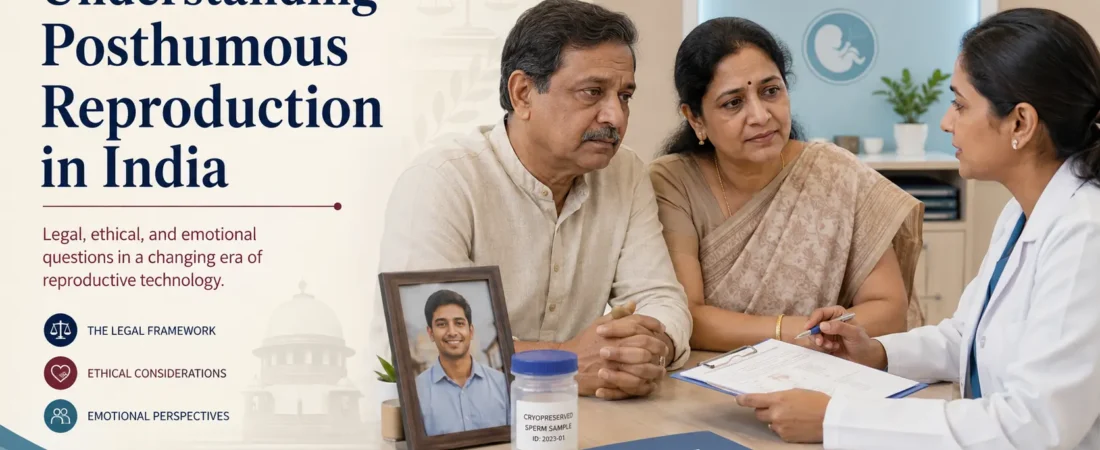
Posthumous reproduction is a rapidly evolving topic that raises important legal, ethical, and emotional questions. As reproductive technology advances, societies around the world are being challenged to redefine traditional concepts of parenthood, consent, and family.
In India, the issue recently gained attention after the Delhi High Court granted the parents of a deceased man the right to use his preserved sperm sample for posthumous reproduction. This landmark decision has sparked discussions about reproductive rights, inheritance, and the emotional impact on families.
What Is Posthumous Reproduction?
Posthumous reproduction refers to the conception of a child using frozen sperm, eggs, or embryos from a person who has passed away. This is only possible when the individual had provided consent for the use of their reproductive material before their death.
Advancements in assisted reproductive technologies have made posthumous reproduction possible, offering families an opportunity to preserve a biological connection with their loved ones even after death.
Legal Challenges of Posthumous Reproduction in India
The legal framework surrounding posthumous reproduction in India remains unclear. While the Assisted Reproductive Technology (ART) Act, 2021 and the Surrogacy (Regulation) Act, 2022 regulate reproductive technologies, they do not specifically address the use of reproductive material belonging to deceased individuals.
This legal uncertainty raises several important questions, including:
- Who has the authority to use the stored genetic material?
- What rights does the child have regarding inheritance and legal recognition?
- How should consent be interpreted after an individual’s death?
- What responsibilities do family members and medical institutions hold?
The recent Delhi High Court ruling has established an important precedent. However, comprehensive legislation is still needed to address the complex legal issues associated with posthumous reproduction.
Emotional Impact on Families
Posthumous reproduction can have a profound emotional effect on surviving family members. Parents, spouses, and partners often face difficult decisions while coping with grief and loss.
The decision to use a deceased loved one’s genetic material may bring comfort and hope to some families. At the same time, it can create emotional challenges related to guilt, responsibility, and ethical concerns.
Children born through posthumous reproduction may also encounter unique emotional questions regarding identity, family history, and their connection to a parent they never had the opportunity to meet.
Social and Cultural Considerations
Public acceptance of posthumous reproduction varies widely across different communities. Cultural values, religious beliefs, and social traditions often influence how people perceive this practice.
Some individuals view posthumous reproduction as a meaningful way to honour the memory and legacy of a deceased loved one. Others may raise ethical, moral, or spiritual concerns regarding the creation of life after a person’s death.
These differing perspectives contribute to ongoing debates about reproductive rights and the evolving definition of family in modern society.
The Way Forward
As reproductive technologies continue to advance, it becomes increasingly important for policymakers to establish clear legal guidelines for posthumous reproduction. These regulations should address consent, parental rights, inheritance issues, and the welfare of children born through such procedures.
Balancing technological possibilities with ethical, cultural, and emotional considerations will be essential in ensuring that posthumous reproduction is approached responsibly and compassionately.
The discussion surrounding posthumous reproduction highlights the need for thoughtful legislation and societal dialogue. By addressing these challenges proactively, India can better support families while safeguarding the rights and interests of all individuals involved.