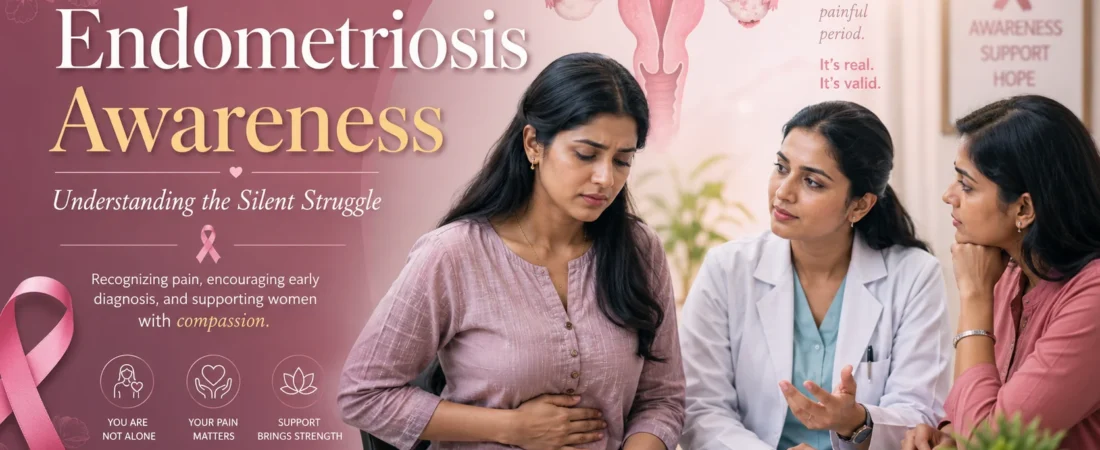
Endometriosis Awareness Month is observed every March to shed light on this often overlooked condition that affects millions of women worldwide. Despite its prevalence, endometriosis remains widely misunderstood and underdiagnosed, making awareness campaigns vital to supporting those affected and encouraging timely medical intervention.
What Is Endometriosis? Raising Awareness
Endometriosis is a chronic condition where tissue similar to the lining of the uterus (endometrium) grows outside the uterine cavity. Doctors often refer to these growths as endometrial implants. They can appear on the ovaries, fallopian tubes, and other pelvic structures, and in rare cases, on organs beyond the pelvic area. Unlike the uterine lining, these implants cannot exit the body during menstruation. This leads to inflammation, severe pain, and the formation of scar tissue. Over time, this can contribute to complications such as infertility.
Who Can Be Affected and When?
Endometriosis predominantly affects individuals during their reproductive years, usually between the ages of 15 and 49. However, doctors have diagnosed it in girls as young as 8, and it can persist into menopause. The exact cause of endometriosis remains unclear. However, researchers are studying genetic predisposition, hormonal imbalances, and immune system dysfunction as possible factors.
How Can It Be Managed?
While endometriosis currently has no cure, various treatment options can alleviate symptoms and improve quality of life. Management strategies include:
- Medication: Hormonal therapies, such as birth control pills and gonadotropin-releasing hormone agonists, can help regulate or suppress the menstrual cycle and reduce pain. Doctors also frequently prescribe pain relievers like NSAIDs.
- Surgery: For severe cases, laparoscopic surgery can remove or reduce endometrial implants. In extreme cases, doctors may consider a hysterectomy.
- Lifestyle Changes: Stress management, regular physical activity, and dietary adjustments may support overall well-being and reduce symptom severity.
- Fertility Treatment: Those facing infertility due to endometriosis may explore options like in vitro fertilization (IVF).
Individuals experiencing symptoms such as severe pelvic pain or unusually heavy menstrual bleeding should consult a doctor. This is especially important if chronic discomfort interferes with daily activities. Additionally, we encourage those struggling with unexplained infertility to seek medical advice, as early diagnosis and intervention can significantly improve outcomes.
Researchers strive to uncover the underlying mechanisms of endometriosis. Raising awareness about its impact remains crucial. Initiatives during Endometriosis Awareness Month aim to encourage early diagnosis, educate communities, and empower those living with the condition to seek appropriate care. By fostering understanding and compassion, we can give a voice to this silent struggle and improve the lives of those affected.