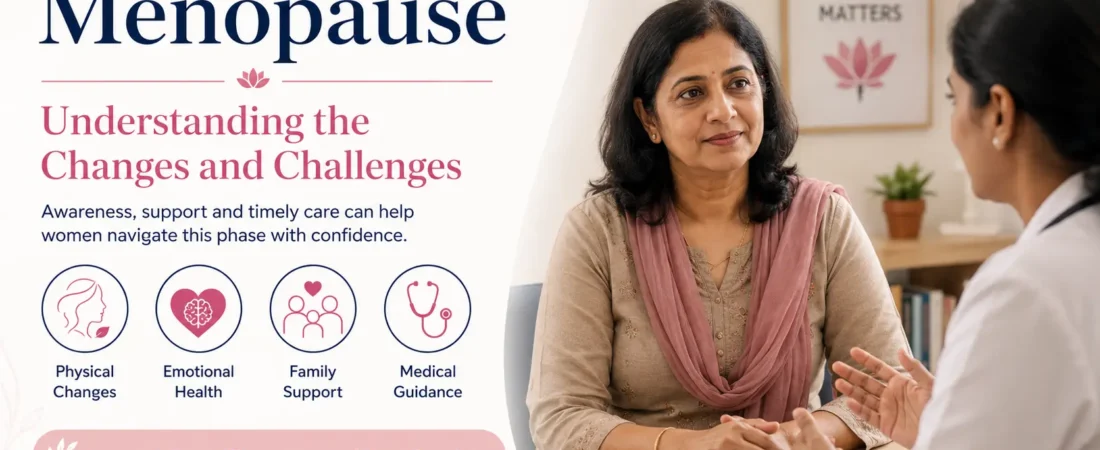
Menopause is not a pause in life but the beginning of a new phase. Like any major life transition, it can bring uncertainty, anxiety, and emotional challenges. However, understanding the changes that occur during menopause can help women navigate this stage with confidence and self-compassion.
For many years, conversations around menopause and perimenopause were often avoided or considered taboo. Today, greater awareness is helping women understand that they are not alone. Millions of women have experienced menopause and emerged stronger, wiser, and more resilient.
Understanding Menopause and Perimenopause
Every woman experiences menopause differently. Some women move through this phase with minimal discomfort, while others face significant physical and emotional symptoms.
As a counsellor, I have seen many women during perimenopause and post-menopause struggle with feelings of depression, anxiety, helplessness, and low motivation. Hormonal changes, particularly fluctuations in estrogen levels, can influence brain function and emotional well-being.
Common Physical and Emotional Changes
Menopause can affect both physical and mental health. Common concerns may include:
- Anxiety and depression
- Mood swings
- Weight gain
- Hair loss
- Emotional distress
- Changes in energy levels
In addition to hormonal changes, shifting relationships with partners, children, and family members may also influence a woman’s emotional health during this stage.
Misconceptions About Menopause
Many women receive advice from friends, relatives, and acquaintances who may not fully understand menopause. As a result, myths often replace medical facts.
Common misconceptions include:
- “It’s simply menopause and will resolve itself.”
- “Do not pursue hormonal therapy.”
- “Heavy bleeding during menopause is normal.”
- “Do not remove the uterus just because a doctor recommends it.”
While advice from loved ones may be well-intentioned, medical decisions should always be guided by qualified healthcare professionals.
When Delaying Treatment Can Be Risky
I am reminded of a patient in her mid-40s who was going through perimenopause. She experienced significant bleeding and had cysts in both ovaries. Her doctor recommended the removal of her uterus due to the severity of her symptoms.
However, her family was hesitant. They believed the recommendation was unnecessary and worried that removing the uterus would affect her femininity. As a result, treatment was delayed.
Over time, her condition worsened. Severe bleeding caused extreme weakness and eventually led to hospitalisation. Following further investigations, she was diagnosed with early-stage cancer. The family ultimately agreed to the surgery.
Fortunately, the cancer was detected early. This experience highlights the importance of seeking timely medical advice and making informed healthcare decisions.
The Importance of Family Support
Menopause can influence relationships, emotional health, and sexual well-being. Mood swings and hormonal changes may sometimes lead to frustration, anger, or dissatisfaction within the family.
During this period, support from a spouse and family members can make a significant difference. Open communication, understanding, and empathy help women feel supported as they navigate these changes.
Seeking Professional Guidance
If perimenopausal or postmenopausal symptoms become difficult to manage, seeking professional medical guidance is essential. Healthcare providers can help women understand their symptoms, evaluate treatment options, and create an appropriate care plan.
Menopause is a natural phase of life, not an illness. With the right information, support, and medical care, women can approach this transition with confidence and continue to lead healthy and fulfilling lives.