Don’t be confused by the names—PCOS, PCOD, and PMOS essentially describe the same condition.
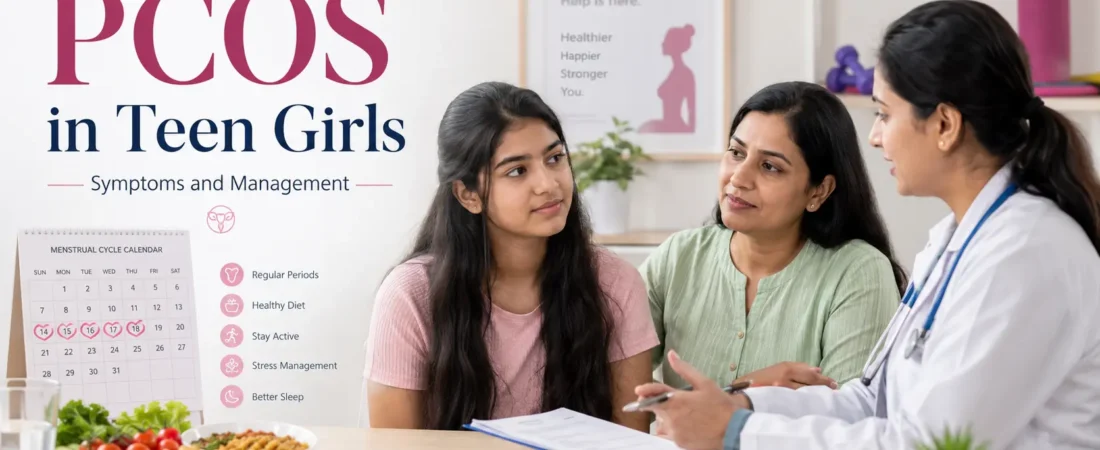
PCOS in teen girls is becoming increasingly common and can affect physical, emotional, and reproductive health. Early diagnosis and proper management of PCOS in teen girls can help prevent long-term complications and improve overall well-being.
Polycystic Ovary Syndrome (PCOS) affects nearly 10% of adolescent girls and women. It occurs due to a hormonal imbalance in which the ovaries produce higher-than-normal levels of male hormones, known as androgens. This imbalance can lead to irregular menstrual cycles, acne, excessive hair growth, and other health concerns.
What Is PCOS/PCOD/PMOS?
PCOS is a hormonal condition that affects the normal functioning of the ovaries. In women with PCOS, the ovaries may produce excess male hormones, disrupting ovulation and menstrual cycles.
The condition can affect reproductive, metabolic, and emotional health. If left unmanaged, PCOS may increase the risk of infertility and other long-term health issues.
Common Symptoms of PCOS
Symptoms of PCOS can vary from person to person. Some of the most common signs include:
- Irregular or missed menstrual periods
- Excessive hair growth on the face or body
- Acne and oily skin
- Weight gain or difficulty losing weight
- Thinning hair or hair loss
- Difficulty conceiving
Women experiencing these symptoms should consult a healthcare professional for proper evaluation and diagnosis.
Causes and Risk Factors
The exact cause of PCOS remains unknown. However, researchers believe that genetics, hormonal imbalances, and environmental factors all play a role in its development.
One of the major contributors to PCOS is hyperandrogenism, a condition characterized by elevated levels of male hormones. Family history may also increase the risk, as close relatives of women with PCOS can be more susceptible to reproductive and metabolic disorders.
Lifestyle factors such as obesity and excessive weight gain can worsen PCOS symptoms and make the condition more difficult to manage.
The Importance of Early Diagnosis
Advances in medical technology have made early diagnosis of PCOS easier than ever. Rapid biochemical testing and ultrasound imaging help healthcare providers identify the condition at an earlier stage.
Early detection allows for timely intervention, helping reduce the risk of complications such as infertility, type 2 diabetes, and endometrial abnormalities.
Treatment and Management of PCOS
There is currently no permanent cure for PCOS. However, effective treatment can help manage symptoms and improve overall health.
Treatment options may include:
- Combined oral contraceptive pills to regulate menstrual cycles
- Hormone therapy when appropriate
- Medications to manage insulin resistance
- Treatment for acne and excessive hair growth
Healthcare providers may recommend using one or multiple treatment approaches depending on the individual’s symptoms and health goals.
Lifestyle Changes for Better PCOS Management
Lifestyle modifications remain one of the most effective ways to manage PCOS. Maintaining a healthy weight can significantly reduce symptoms and improve hormonal balance.
Helpful lifestyle practices include:
- Following a balanced and nutritious diet
- Engaging in regular physical activity
- Managing stress effectively
- Monitoring blood sugar and insulin levels
- Avoiding excessive weight gain
For adolescents, working closely with healthcare professionals, nutritionists, and family members can provide valuable support in developing healthy habits.
Supporting Adolescents With PCOS
Diagnosing PCOS in adolescents can be more challenging than in adults because hormonal changes during puberty may resemble PCOS symptoms. Proper screening and medical evaluation are essential for accurate diagnosis.
Parents should maintain open communication with healthcare providers and attend regular follow-up appointments. Monitoring treatment progress and addressing concerns early can help ensure the best possible outcomes for young patients.
Although PCOS is a lifelong condition, early diagnosis, healthy lifestyle choices, and appropriate medical care can help individuals manage symptoms effectively and lead healthy, fulfilling lives.